Chinese New Year Handkerchief Color Line: A Designer's Guide
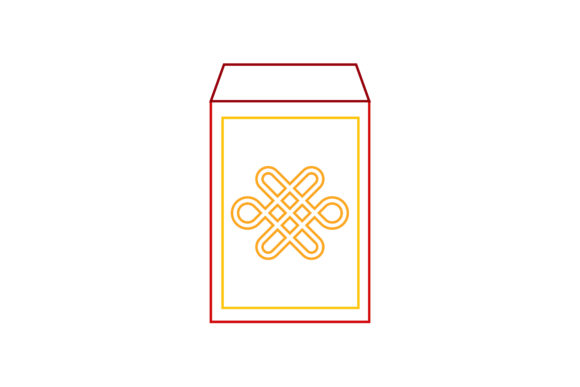
When you first encounter the Chinese New Year Handkerchief Color Line design asset, you're not just looking at a set of files. You're looking at a visual language steeped in tradition, yet incredibly versatile for modern creative work. This isn't a generic clipart collection. It's a carefully crafted set of vector and raster graphics built around the symbolic color lines found on traditional festive handkerchiefs—those bold, auspicious reds, golds, and intricate border patterns that signal prosperity and celebration.
For designers, entrepreneurs, and content creators, this asset offers something surprisingly practical: a ready-made visual system that carries cultural weight and aesthetic clarity. The color lines aren't random. They follow established conventions—red for luck, gold for wealth, with layered borders that create rhythm and hierarchy. Understanding this helps you use the asset with intention rather than just decoration.
Visual Character and Design Personality
The Chinese New Year Handkerchief Color Line style is defined by its structured repetition and bold chromatic contrast. Think of it as a display font for your visual projects—meant to command attention, not whisper. The lines are clean, the color transitions are deliberate, and the overall feel balances ornamental richness with graphic precision. It reads as celebratory without being chaotic, traditional without feeling dated.
What makes this style particularly effective is its built-in visual hierarchy. The layered borders naturally guide the eye inward, creating focal points. This makes it excellent for projects where you need to establish order—whether that's in logo design, packaging design, or editorial design. The patterns have a rhythm to them, almost like a typographic baseline grid, which gives your layouts a sense of grounded professionalism.
Compared to a typical script font or handwritten font, this asset communicates formality and cultural specificity. It's not trying to be casual or whimsical. It carries the weight of symbolism, which makes it ideal for brands and projects that want to convey respect for tradition, celebration, or luxury positioning.
Where This Asset Works Best
Let's talk applications. This is where the Chinese New Year Handkerchief Color Line really proves its value as a premium font-adjacent design asset.
For brand identity work, especially for businesses targeting Chinese or East Asian markets—or any brand launching a Lunar New Year campaign—this asset provides instant cultural authenticity. Use the color line patterns as border elements on business cards, letterheads, or social media headers. They work beautifully as framing devices that elevate a sans serif font or serif font pairing without competing for attention.
In packaging design, the layered color lines translate exceptionally well. Think tea packaging, gift boxes, or specialty food products. The patterns scale cleanly because they're delivered as vector files—.AI, .EPS, and .SVG formats that open in Adobe Illustrator, Corel Draw, or any modern vector editor. You can resize them for a small product label or a large banner without losing a single pixel of quality.
For web design and social media graphics, the included .PNG files with transparent backgrounds and .JPG versions on white backgrounds give you flexibility. Use them as accent elements in email headers, Instagram story frames, or website hero sections during seasonal campaigns. The 300dpi CMYK PNGs are print-ready, which means you're not stuck converting color spaces at the last minute.
Content creators and bloggers will find these patterns useful for creating cohesive visual themes across platforms. A consistent border style using the Chinese New Year Handkerchief Color Line can tie together a series of blog post graphics, YouTube thumbnails, or Pinterest pins. That kind of visual consistency builds recognition, which is the foundation of effective brand identity.
Making Smart Design Decisions With This Asset
Here's some practical guidance for integrating this into your workflow.
First, evaluate fit honestly. Not every project calls for ornamental cultural patterns. If your brand voice is minimalist and Western-leaning, forcing this asset into your design system will feel disjointed. But if your project involves celebration, cultural connection, luxury gifting, or seasonal marketing, it's a strong match.
Second, think about font pairing. The Chinese New Year Handkerchief Color Line patterns are visually dense. Pair them with clean, modern typography—a geometric sans serif font for contemporary projects, or an elegant serif font for more traditional applications. Avoid pairing with overly decorative typefaces. You want contrast, not competition. A creative font with too much personality alongside these patterns will create visual noise rather than harmony.
Third, use the file formats strategically. The vector files are your workhorses for anything that needs to scale—print materials, large-format signage, or editable design templates. The raster files are your quick-deploy options for digital use. Knowing when to use which format saves you time and preserves quality across your projects.
Fourth, consider readability and spacing. When using these patterns as background or border elements, ensure your foreground text maintains strong contrast. The reds and golds are vibrant, so white or dark text with adequate padding will keep your message legible. Test at multiple sizes—what looks balanced on a desktop screen might feel overwhelming on a mobile device.
Finally, respect the cultural context. These patterns carry meaning. Using them thoughtfully—understanding that red symbolizes good fortune and gold represents wealth—helps you create designs that feel intentional rather than appropriative. That awareness shows in the final work and builds trust with your audience.
Practical Value for Your Creative Toolkit
What makes the Chinese New Year Handkerchief Color Line a worthwhile addition to your design assets library is its specificity combined with its flexibility. It solves a particular visual problem—how to incorporate festive, culturally grounded patterns into professional design work—while giving you the technical file variety to adapt it across mediums.
For small business owners planning seasonal campaigns, it eliminates the need to commission custom pattern work from scratch. For crafters and hobbyists, it offers print-ready quality for personal projects like greeting cards, party decorations, or custom textiles. For marketers and publishers, it provides a visual shorthand for Lunar New Year content that feels polished rather than generic.
The key is treating this asset as a component within a larger modern typography and design system, not as a standalone solution. Pair it wisely, scale it appropriately, and let its inherent structure do the heavy lifting. When used with intention, the Chinese New Year Handkerchief Color Line becomes more than a seasonal decoration—it becomes a reliable tool for creating designs that resonate with clarity and cultural respect.