Valentine Icon Clothes Color Lines-02: Your Go-To Vector for Themed Design
Beyond Text: Understanding the Vector's Visual Language
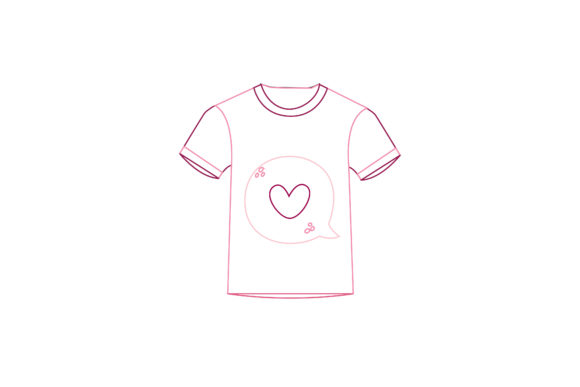
When you first open the Valentine Icon Clothes Color Lines-02 file, you immediately grasp its utility. This isn't a complex illustration or a heavy graphic; it is a clean, versatile vector asset designed to represent the intersection of fashion and romance. Visually, it typically features a stylized garment—perhaps a t-shirt, dress, or heart-shaped apparel—rendered in crisp, colorful lines. The "Color Lines" aspect is crucial here. It suggests a vibrant, modern aesthetic rather than a flat, monochromatic silhouette. The design likely balances simplicity with enough detail to be recognizable at various scales, making it a practical tool rather than just decorative art.
The personality of this vector is approachable and contemporary. It avoids overly ornate or vintage flourishes, leaning instead into a style that feels fresh and adaptable. For a designer, this means the asset can speak to a younger, style-conscious audience without alienating more mature demographics. It’s the kind of visual shorthand that communicates "fashion-forward" and "celebratory" in a single glance. Whether used as a standalone mark or integrated into a larger composition, its inherent clarity is its greatest strength. It doesn’t fight for attention; it complements the message.
Practical Applications: Where This Vector Truly Shines
The real value of Valentine Icon Clothes Color Lines-02 lies in its format and adaptability. Delivered as a vector (.AI, .EPS, .SVG, .DXF), it is fundamentally different from a raster image. You can scale it to the side of a building or shrink it to a favicon without any loss of quality. This makes it an indispensable part of a modern design assets library. For a small business owner creating a limited-edition Valentine's Day product line, this vector is a starting point. You can recolor the lines to match your brand palette, adjust the stroke weight for a bolder look, or isolate specific elements to create a pattern.
Consider its use across different mediums. In web design, it could serve as a custom icon for a "Gift Guide" section or a loading animation. For social media graphics, it’s perfect for Instagram story stickers, post headers, or profile highlights related to sales and promotions. A crafter might use the .DXF or .SVG format with a cutting machine to create custom iron-on transfers for t-shirts or tote bags—the "Clothes" element of the name makes this particularly apt. The included high-resolution .JPG and transparent .PNG formats ensure you have a ready-to-use file for quick mockups in presentations, blogs, or even printed flyers where vector editing isn't possible.
Strategic Integration for Brand Identity and Marketing
Using an asset like this effectively requires more than just placing it on a page. It’s about integrating it into your visual strategy to reinforce your brand identity. If you're a fashion blogger, this icon could become a recurring motif in your February content, creating visual consistency that your audience learns to recognize. For a logo design project for a boutique or clothing brand, the vector could be deconstructed—perhaps using just the line work or a single color from the "Color Lines" palette—as a subtle secondary mark or favicon.
The influence on audience engagement is tangible. Consistent use of a thematic visual element builds familiarity. When your followers see that specific style of lined heart or garment icon, they immediately connect it with your brand's seasonal messaging. This isn't about following a trend; it's about using a well-crafted creative font and icon set to create a cohesive world for your brand. It adds a layer of professionalism that stock photography often can't match, because it's scalable, editable, and uniquely yours once customized.
Making the Asset Work for You: A Practical Guide
Before you dive in, take a moment to evaluate the fit. Open the vector in a program like Adobe Illustrator or the free alternative, Inkscape. Look at the layers. Is the clothing item easily separable from the heart or decorative elements? This modularity is key. If you only need the heart motif, you should be able to isolate it cleanly. Test the color lines. Are they on separate layers or grouped? Understanding this structure will save you hours of editing later.
Think about font pairing if you're using this alongside text. The clean, linear nature of the icon suggests it would pair well with a modern sans serif font for a sleek, contemporary look. Alternatively, contrasting it with a script font or handwritten font could create a more personal, intimate feel perfect for greeting cards or wedding stationery. The key is balance. Let the icon breathe; don't crowd it with overly decorative typography.
Finally, respect the licensing. The description notes it's suitable for commercial projects, which is a significant advantage. However, always verify the specific terms. Can you use it in an end product for sale, like a printed t-shirt? Can you modify it extensively? Understanding these boundaries allows you to use Valentine Icon Clothes Color Lines-02 confidently, whether you're designing a one-off poster for a local event or building a suite of products for an online store. This asset is more than a seasonal decoration; it's a flexible tool for clear, effective visual communication.