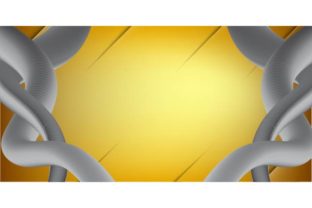
Designing with Flow: The Allure of Liquid Color Backgrounds
In the crowded landscape of digital design, static images often struggle to hold attention. We are seeing a significant shift toward movement and depth, even in static compositions. This is where the Liquid Color Background trend comes into play. It is not merely a passing aesthetic; it is a sophisticated design approach that uses fluid gradient shapes and organic compositions to create a futuristic, high-energy atmosphere. For designers, marketers, and content creators, understanding how to harness this style is essential for creating visuals that feel modern and immersive.
The Visual Language of Fluidity
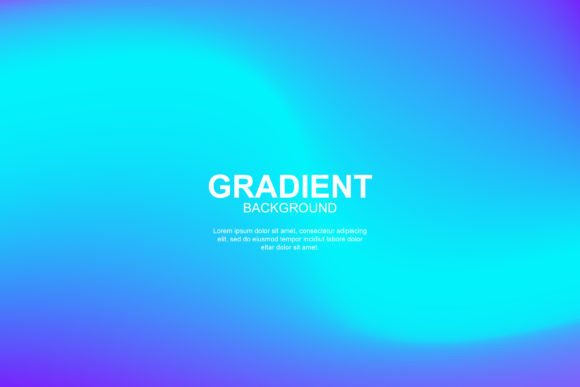
At its core, a Liquid Color Background is defined by its refusal to be rigid. Unlike traditional flat colors or sharp geometric grids, this style mimics the behavior of fluids—viscous, flowing, and constantly shifting. You will often see these backgrounds described as Fluid gradient shapes composition. This involves taking vibrant, saturated colors and blurring the boundaries between them, often using mesh gradients or noise textures to simulate a tactile, almost 3D surface.
The personality of this design style is undeniably futuristic. It feels technologically advanced yet deeply organic. Imagine the iridescent surface of a soap bubble or the swirling of oil on water, but rendered with the crispness of digital art. The appeal lies in its complexity and depth. A well-executed liquid background can make a flat screen look like a window into a dynamic space. It creates a sense of movement that guides the viewer’s eye, making it an excellent tool for visual hierarchy. When the background is in motion—or appears to be—the foreground content, such as typography and UI elements, can be anchored effectively, creating a striking contrast.
Strategic Applications for Modern Creators
While the aesthetic is beautiful, the real value of a Liquid Color Background lies in its versatility across different mediums. It is a style that transcends industry boundaries, fitting seamlessly into web design, social media graphics, and even packaging design.
For brand identity and logo design, this approach is perfect for brands that want to project innovation, agility, or creativity. Tech startups, music festivals, and lifestyle brands often utilize these backgrounds to signal that they are cutting-edge. In editorial design, a fluid gradient can break up the monotony of text-heavy layouts, acting as a visual palate cleanser between chapters or sections.
However, the application must be strategic. A futuristic design poster utilizing liquid aesthetics works best when the goal is to evoke emotion or energy rather than strict corporate stability. For a financial institution, a subtle, slow-moving gradient might suggest growth, whereas a vibrant, high-contrast liquid background would be ideal for a gaming event or a creative agency. The key is matching the "temperature" of the fluid shapes with the brand’s message.
Typography in a Fluid World
Designing with a Liquid Color Background presents a unique challenge: readability. Because these backgrounds are inherently busy and colorful, choosing the right typeface is critical. You cannot simply drop any premium font onto a swirling gradient and expect it to work.
The general rule of thumb is to use bold, clean typefaces that can withstand visual competition. A heavy sans serif font is often the best companion for a liquid background. The uniform stroke width and lack of decorative serifs allow the letters to maintain their structural integrity against the organic chaos of the background. If you prefer a serif font, opt for one with high contrast and thick stems—think modern display serifs rather than delicate book weights.
Conversely, delicate script fonts or handwritten fonts can easily get lost in the fluid motion. If you must use a creative font with intricate details, consider placing it inside a semi-transparent container or adding a subtle drop shadow to separate it from the background. This ensures that your font pairing enhances the design rather than confusing the viewer.
Practical Execution and Asset Selection
For entrepreneurs and small business owners looking to leverage this trend, the workflow usually involves selecting high-quality design assets. Creating a photorealistic liquid simulation from scratch requires advanced 3D software skills, which is why many turn to pre-made commercial font and background bundles.
When evaluating a Liquid Color Background asset, look for versatility. Does the pack include variations in lighting? Are the colors customizable to match your specific brand identity palette? A good asset should allow you to adjust the hue and saturation easily without ruining the texture of the fluid shapes.
Furthermore, consider the composition. A background designed for a vertical social media graphic (like an Instagram Story) will have a different focal point than one designed for a wide desktop header. Look for compositions that leave "negative space" or slightly calmer areas where text can be placed. This is crucial for maintaining professionalism and ensuring your message isn't swallowed by the design.
Testing and Refining the Look
Before finalizing a design featuring a Liquid Color Background, rigorous testing is necessary. View your design on multiple devices. Fluid gradients can look drastically different on a high-end monitor compared to a mobile phone screen due to color calibration and resolution differences.
Check the readability of your text at various zoom levels. If the liquid pattern is too sharp or high-contrast, it can cause eye strain, known as the "vibration effect," where the text appears to shimmer against the background. If this occurs, try blurring the background slightly or increasing the opacity of your text container.
Finally, think about consistency. If you are using this style for a campaign, ensure the liquid colors align with your brand's hex codes. A cohesive color story strengthens brand recognition. Whether you are designing a futuristic design poster or a simple email header, the fluid elements should feel like an intentional extension of your brand's voice, not just a trendy decoration. By balancing the energy of the fluid shapes with solid typographic foundations, you create a design that is both captivating and functional.